
5 Summer Holiday Breath Exercises for Families
The summer holidays can be both magical and challenging for families. These evidence-based breathing exercises are designed to help everyone navigate the ups and downs of time together, creating moments of calm and connection when you need them most.
For Parents: Your Essential Toolkit
- The Reset Breath (For Overwhelmed Parents)
When to use: When you feel your patience wearing thin, stress levels rising, or need a quick emotional reset.
How to practice:
🌸Find a quiet moment (even hiding in the bathroom counts!)
👃Inhale slowly through your nose for 4 counts
🚦Hold your breath gently for 4 counts
👄Exhale through your mouth for 6 counts, making a soft "ahh" sound
🌟Repeat 3-5 times
Why it works: The longer exhale activates your parasympathetic nervous system, shifting you from "fight or flight" to "rest and digest" mode. The audible exhale releases physical tension.
Parent tip: Practice this before responding to challenging behaviour. Your calm energy will influence the entire family dynamic.

2. The Anchor Breath (For Evening Wind-Down)
When to use: After a long day when your mind is racing with tomorrow's plans or replaying today's events.
How to practice:
- Lie down comfortably after the children are settled
- Place one hand on your chest, one on your belly
- Breathe naturally and notice which hand moves more
- Gradually shift to deeper belly breathing, feeling the lower hand rise and fall
- With each exhale, imagine releasing the day's tensions
- Continue for 5-10 minutes
Why it works: Belly breathing stimulates the vagus nerve, promoting deep relaxation and better sleep quality. It helps transition your nervous system from the day's activities to restorative rest.
Parent tip: This practice improves your sleep quality, making you more patient and present with your children the next day.

For Children: Age-Appropriate Adventures
3. Bubble Belly Breathing (Ages 4-7)
When to use: When little ones are overstimulated, having tantrums, or need help settling down for nap time or bedtime.
How to practice:
👨👦 Sit or lie down together
🧼 "Let's pretend there's a big, colourful bubble in your tummy!"
🤚🏽 Place their hand on their belly to feel the "bubble"
👃 "Breathe in slowly and watch your bubble grow bigger!" (belly expands)
👀 "Now breathe out gently and watch your bubble get smaller!" (belly falls)
🌈 Make it fun: "What colour is your bubble today? Is it floating or bouncing?"
🌟Practise 5-8 bubble breaths
Why it works: Young children learn through imagination and physical sensation. This technique teaches diaphragmatic breathing while engaging their natural creativity.
Family tip: Create different bubble stories - rainbow bubbles for happiness, blue bubbles for calm, green bubbles for when they miss friends. Use real bubbles too so they can exhale and see bubbles drift over them. This is lovely do do laying down in the garden, or inside if the weather is not on your side.
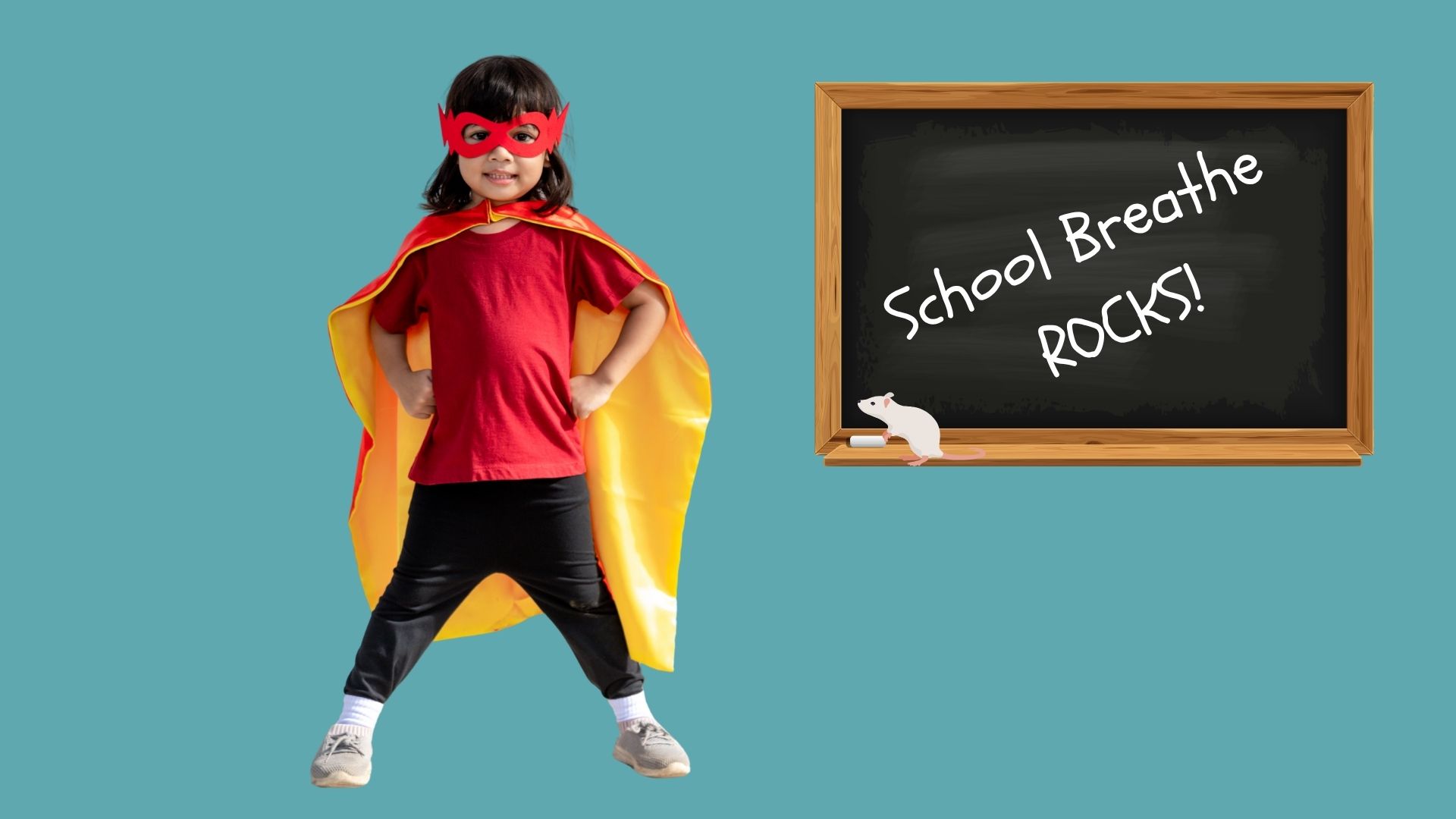
4. The Superhero Breath (Ages 8-12)
When to use: Before challenging activities, when they're nervous about something, or need confidence boost.
How to practice:
👘 Stand tall with feet shoulder-width apart, hands on hips (superhero pose)
❤️ "Superheroes need super breath for super strength!"
👃 Inhale slowly through the nose for 4 counts, imagining breathing in courage and strength
🖐 Hold the breath for 2 counts, feeling the power building
💨 Exhale strongly through the mouth for 4 counts, imagining breathing out any worries or fears
⭐️ Repeat 5 times, maintaining the superhero pose
Why it works: The combination of power posture and controlled breathing builds confidence while teaching emotional regulation. The visualization gives children a concrete way to understand managing difficult emotions.
Family tip: Let them choose their superhero identity and powers. This becomes their personal confidence tool they can use independently.
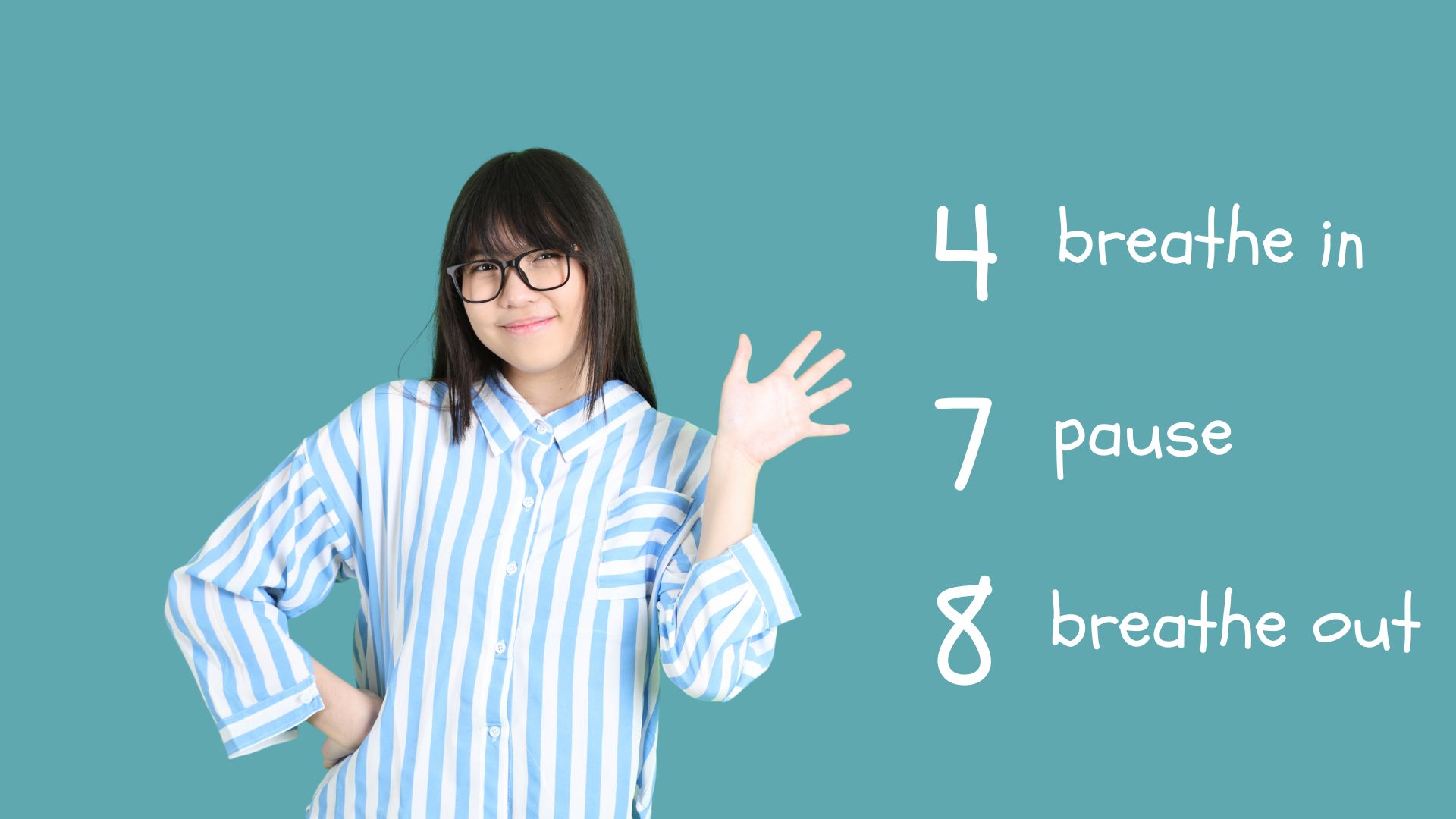
5. The 4-7-8 Chill Breath (Teens)
When to use: For anxiety, stress about social situations, trouble sleeping, or when emotions feel overwhelming.
How to practice:
- Sit comfortably with back straight. This is like a reset button for your nervous system.
- Exhale completely through your mouth, making a whoosh sound
- Inhale quietly through your nose for 4 counts
- Hold your breath for 7 counts
- Exhale completely through your mouth for 8 counts, making the whoosh sound
- Repeat 3-4 cycles (no more rounds if you are a beginner)
Why it works: This technique, developed by Dr. Andrew Weil, is highly effective for reducing anxiety and promoting sleep. The specific count ratio optimises oxygen-carbon dioxide exchange and nervous system regulation.
Teen tip: This is their private tool - no one needs to know they're using it. It works great before tests, social events, or when lying in bed with racing thoughts.

Making It Work for Your Family
Daily Integration Ideas:
- Start mornings with your favourite breath technique
- Have a 'Breath Technique of The Week' written on the fridge/black board
- Use breathing breaks during long car journeys
- Create a "breathing space" at home with cushions where anyone can go to reset
- End family arguments with a group breathing reset. Breathing separately or together as one unit.
Remember: Consistency matters more than perfection. Even 2-3 minutes of intentional breathing can transform your family's emotional landscape during the busy summer holidays.
The goal isn't to eliminate all stress and challenges - it's to give everyone in your family practical tools to navigate them with greater calm, connection, and resilience.
|
Visit our YouTube channel and our website for more breathwork inspirations www.schoolbreathe.org


Responses